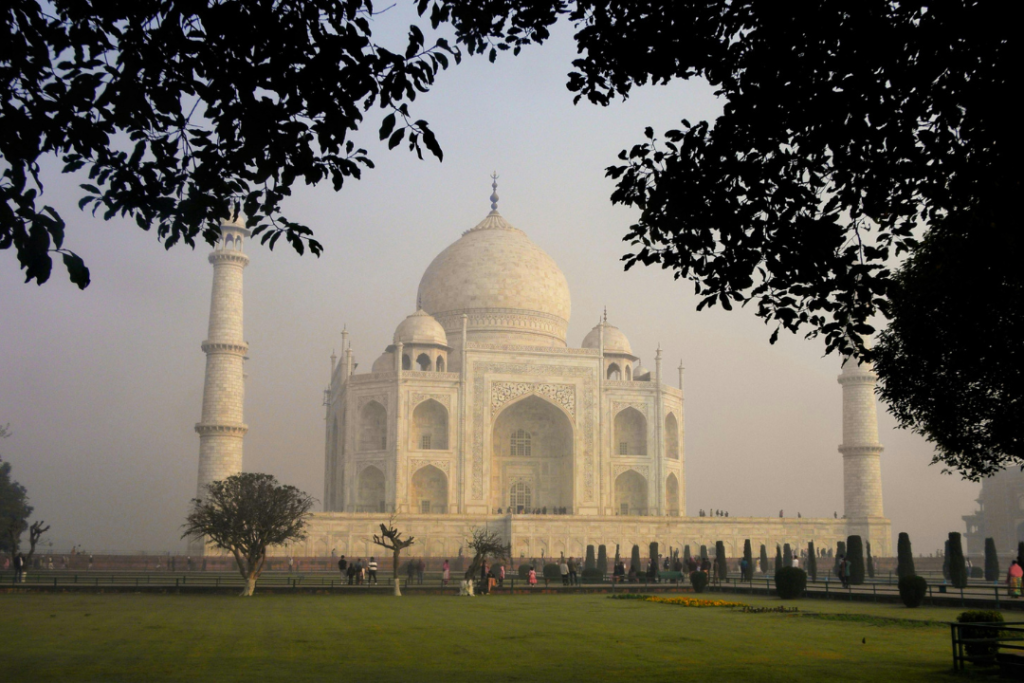
Visiting the Taj Mahal is more than a sightseeing experience—it’s a journey into history, emotion, architecture, and culture. Whether you are traveling solo, exploring with family, or planning a romantic trip, this timeless monument has something magical in store for every traveler. As one of the New Seven Wonders of the World and a UNESCO World Heritage Site, the Taj Mahal attracts over seven million visitors each year. And if this is your first visit, this Taj Mahal Travel Guide is exactly what you need to make your trip smooth, meaningful, and unforgettable.
This in-depth guide covers every important detail—from timings, tickets, and entry gates to photography spots, history, what to expect inside the complex, and insider tips no one tells you about. By the end, you’ll know everything required to plan your visit confidently.
Why the Taj Mahal Is So Special
The Taj Mahal is a masterpiece of Mughal architecture and a powerful symbol of eternal love. Built by Emperor Shah Jahan in memory of his wife Mumtaz Mahal, its beauty is unmatched. The marble shines differently depending on the sunlight, giving the monument a mystical charm. In the early morning, it looks soft and golden; during sunset, it glows orange; under the moonlight, it appears almost silver. This dynamic beauty is why so many travelers want a Taj Mahal Travel Guide before planning their first visit.
But it’s not just a building—it’s a soul-stirring experience.
Walking through the gardens, hearing the fountains, seeing the flawless symmetry, feeling the marble under your hands—it’s like stepping into a living poem carved in stone.
Brief History of the Taj Mahal
A Monument of Love
The Taj Mahal was built between 1631 and 1648. After Mumtaz Mahal died during childbirth, Shah Jahan was heartbroken. He promised to create a monument that captured her beauty and purity.
Architectural Elegance
More than 20,000 artisans worked on this grand project.
· White Makrana marble
· Perfect geometric symmetry
· Calligraphy inlaid with black marble
· Gemstone-studded artwork
· Reflective pools
· Charbagh gardens
A Global Icon
The Taj Mahal is famous for:
· Its structural perfection
· The emotional tale behind it
· Its cultural significance
· Its breathtaking visuals
For first-time visitors, understanding the purpose and emotion behind the monument makes the visit even more meaningful.
Best Time to Visit the Taj Mahal
Timing your visit right will greatly enhance your experience. Weather, lighting, and crowd levels vary throughout the year.
Best Months to Visit
October to March – Ideal season
Pleasant weather, clear skies, and perfect photography conditions. These months are peak season, so booking early is wise.
April to June – Hot but manageable
Temperatures can get high, but early mornings are still comfortable.
July to September – Monsoon
Rain adds charm and greenery, but cloudy skies can affect photography.
Best Time of Day
The top recommendation of this Taj Mahal Travel Guide is simple:
Visit at sunrise.
· Cool weather
· Soft, golden lighting
· Smaller crowds
· Beautiful atmosphere
Sunset is also great but far more crowded. Midday should be avoided during summers.
Taj Mahal Opening & Closing Timings
Open: Sunrise to sunset
Closed: Every Friday (for prayers)
Moonlight Viewing: Available for 5 nights every lunar cycle (2 days before and after the full moon)
Moonlight viewing requires advance tickets and strict entry timings.
Taj Mahal Ticket Prices
· Indian Citizens: ₹50
· SAARC/BIMSTEC Countries: ₹540
· Foreign Tourists: ₹1,100
· Children below 15: Free
· Main Mausoleum Entry Add-on: ₹200
If you want to enter the central tomb area, you must buy the additional ₹200 ticket.
Where to Buy Tickets
You can buy tickets:
· At ticket counters near gates
· Online (highly recommended)
· Through authorized travel agents
Booking online saves time and helps you skip long queues.
Entry Gates Explained
The Taj Mahal has three main gates:
East Gate
· Best option for foreign tourists
· Shorter queues
· Close to hotels in the Taj Ganj area
West Gate
· Most used by domestic tourists
· Long queues, especially mornings
South Gate
· Not ideal for first-time visitors
· Fewer counters and slow entry
If you ask anyone who’s written a Taj Mahal Travel Guide, they’ll always recommend the East Gate for convenience.
Security Rules & Things Not Allowed Inside
Security is strict and protects the monument.
Items Allowed
· Mobile phone
· Small bag
· Water bottle
· Camera
Items Not Allowed
· Food
· Tripods (except with permission)
· Large bags/backpacks
· Drone cameras
· Tobacco items
· Chargers/power banks (sometimes restricted)
Travel light to save time at security.
What to Wear
The Taj Mahal involves a lot of walking, so comfort is key.
Best Clothing Choices
· Light cotton clothes
· Comfortable walking shoes
· Sunglasses and hat
· Sunscreen
· Warm jacket in winter mornings
Avoid high heels because pathways are uneven.
Understanding the Taj Mahal Complex Layout
The complex is huge. Here’s what you’ll explore:
1. Darwaza-i-Rauza (Great Gate)
Your first magical view of the Taj Mahal appears through this dramatic gateway.
2. Charbagh Garden
Perfectly symmetrical Persian-style gardens with fountains, greenery, and pathways.
3. Reflecting Pool
The classic shot that appears on postcards worldwide.
4. Main Mausoleum
This masterpiece sits on a marble platform. You can enter inside with shoe covers.
5. Mosque
Located on the left side, made from red sandstone.
6. Guest House
Mirrors the mosque on the opposite side for perfect symmetry.
7. Yamuna River Viewpoint
Peaceful area offering beautiful views from the rear side.
What to Expect Inside the Main Mausoleum
Inside the Taj Mahal:
· The cenotaphs (symbolic tombs)
· Delicate marble lattice screens
· Calligraphy and gemstone work
Photography is strictly prohibited inside. You must remove shoes or use provided shoe covers.
Best Photography Spots in the Taj Mahal
If you love photography or want Instagram-worthy pictures, these spots are perfect:
· The Main Entrance Arch
· The Reflecting Pool
· Left-Side Mosque
· Rear Side (Yamuna River)
· Mehtab Bagh Across the River
Many visitors use this Taj Mahal Travel Guide specifically to find the best photo spots.
How Much Time Do You Need at the Taj Mahal?
· 2 hours: Quick visit
· 3–4 hours: Ideal for photography, exploration, and relaxing
· 5+ hours: Full immersion including mausoleum + gardens + riverfront
Plan at least 3 hours for the best experience.
Guided Tours – Are They Worth It?
Yes—especially for first-time travelers.
A guide enhances your visit by:
· Sharing historical facts
· Explaining architecture
· Helping with photos
· Avoiding crowds
· Protecting you from scams
Make sure your guide is government-licensed.
Avoiding Scams in Agra
Agra is tourist-heavy, so scams exist. Stay alert.
Avoid:
· Fake guides
· Overpriced shops
· Taxi drivers forcing shopping stops
· People offering “special tickets”
· Unauthorized photographers
Tips:
· Book your guide in advance
· Use Ola/Uber where available
· Check bill prices before dining
Food & Dining Near the Taj Mahal
Some great food recommendations include:
· Pinch of Spice
· Taj Terrace
· Jahanpanah
· Sheroes Hangout
· Peshawri (luxury dining)
Try:
· Agra Petha
· Mughlai dishes
· Street chaat
Nearby Attractions to Add to Your Trip
Your Taj Mahal visit can be part of a bigger Agra experience.
1. Agra Fort
Only 3 km away—huge fort with palaces and Mughal viewpoints.
2. Mehtab Bagh
Ideal for sunset views of the Taj.
3. Baby Taj (Itmad-ud-Daulah)
Mini Taj with stunning marble designs.
4. Fatehpur Sikri
Historic Mughal city about 40 km from Agra.
5. Agra Local Markets
Famous markets like Sadar Bazaar, Kinari Bazaar, and Subhash Bazaar offer handicrafts and souvenirs.
Complete 1-Day Taj Mahal Itinerary for First-Time Visitors
Here is a perfectly planned itinerary:
6:00 AM – Arrive at Taj Mahal
Enjoy the sunrise glow.
8:00 AM – Breakfast
Visit a nearby café.
9:00 AM – Explore Agra Fort
Walk around the magnificent Mughal palaces.
12:00 PM – Lunch
Try delicious Mughlai cuisine.
1:30 PM – Visit Baby Taj
Beautiful architecture and peaceful environment.
3:00 PM – Mehtab Bagh
Capture stunning Taj views from across the river.
5:00 PM – Local Shopping
Buy marble crafts, leather items, and souvenirs.
6:30 PM – Return to Hotel/Delhi
A perfect end to your day.
Essential Tips From This Taj Mahal Travel Guide
Here are helpful tips to make your visit easy and smooth:
· Arrive before sunrise for best photos
· Carry your ID and online ticket
· Avoid visiting on Friday
· Travel light for faster security checks
· Hire only licensed guides
· Stay hydrated
· Wear comfortable clothes
· Be respectful inside the mausoleum
This is why many travelers rely on this Taj Mahal Travel Guide before planning their trip.
Why the Taj Mahal Feels Magical
The Taj Mahal is one of the few places where silence speaks louder than words. Visitors often describe a sense of peace and emotional connection. The architectural precision, the marble reflection, the symmetry, and the love story behind it create an unforgettable experience.
Whether you’re exploring the gardens, sitting near the fountain, or admiring the view from the Great Gate, every moment feels special.
Your first visit to the Taj Mahal is something you will cherish forever. With proper planning, the right timing, and this Taj Mahal Travel Guide by your side, you can enjoy a smooth, comfortable, and unforgettable experience. From exploring the gardens to photographing the reflecting pool, from learning the history to watching the monument glow at sunrise—every moment is worth it.
The Taj Mahal is not just a monument; it’s a masterpiece of love, art, and emotion. Take your time, explore at your own pace, and let the magic of this iconic wonder leave an everlasting impression.
You may like- Golden Triangle Tour Packages, India Tour Packages